

Getting people to buy stuff online can feel like a puzzle, right? Especially with how fast things change. If you’re looking to figure out how to create a high-converting marketing funnel in 2026, you’re in the right place. We’ll break down what actually works now, ditching the old ideas that just don’t cut it anymore. Think of this as your guide to making sure more people who see your stuff actually end up buying it, without all the usual headaches.
Key Takeaways
- Focus on a customer’s immediate need, not just broad demographics, to make your funnel message hit home.
- Speed matters a lot; slow-loading pages lose potential buyers before they even see your offer.
- Make your offer stand out with bonuses or bundles so it feels unique and hard to compare.
- Don’t forget follow-up; most sales happen after the first contact, so set up automated emails.
- Keep improving your funnel by watching what brings in money, not just what gets clicks.
What is a Marketing Funnel and Why Does it Matter in 2026?
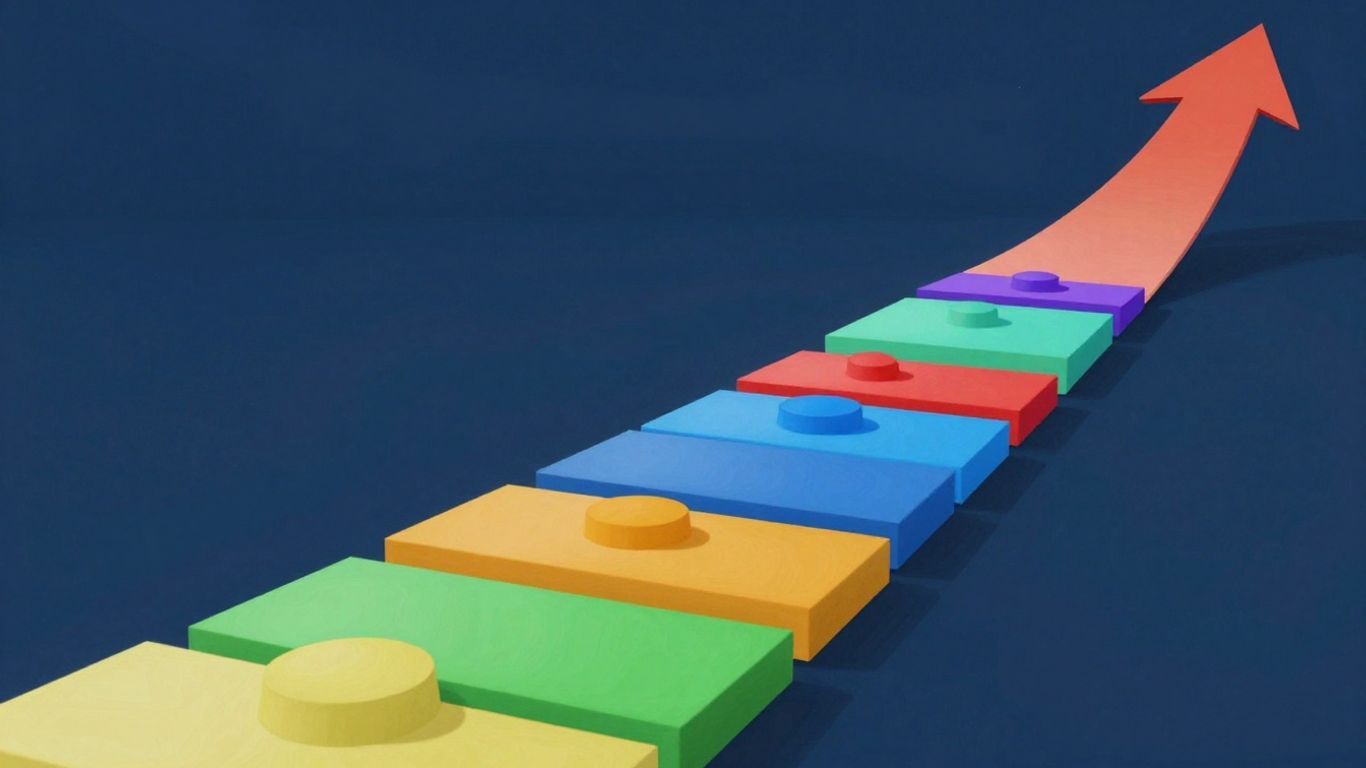
Alright, let’s talk about marketing funnels. You’ve probably heard the term thrown around, maybe even seen those diagrams that look like an upside-down pyramid. But what exactly is it, and why should you care, especially now, in 2026?
Think of a marketing funnel as the entire customer journey, from the very first time someone hears about your brand to when they actually buy something – and hopefully, keep buying. It’s not just a single ad or a landing page; it’s a whole system designed to guide potential customers. It’s essentially your digital sales team, working 24/7.
Back in the day, the idea was pretty simple: show an ad, get them interested, make them want it, and boom, they buy. Easy, right? Well, not so much anymore. The way people buy things today is way more complicated. It’s not a straight line anymore; it’s more like a tangled web. People see things on TikTok, then get reminded on Instagram, then maybe ask Reddit about it before they even think about clicking ‘buy’.
So, why does this matter so much in 2026? Because the old ways just don’t cut it. We’ve got privacy rules, smart AI figuring out what we want before we do, and customers who are way more skeptical. If you’re just throwing ads out there and hoping for the best, you’re basically throwing money away. A good funnel helps you cut through the noise.
Here’s the deal:
- It filters out the wrong people: Not everyone who sees your stuff is going to buy. A funnel helps you focus your energy and ad spend on those who are actually a good fit.
- It educates potential buyers: People need to understand their problem and how your product is the solution. The funnel walks them through this step-by-step.
- It makes the sale happen: It guides them towards making a purchase, often with smart offers and clear calls to action.
Trying to sell without a funnel today is like trying to catch fish with a net full of holes. You might get a few, but most will just slip away.
In short, a marketing funnel isn’t just a nice-to-have; it’s the engine that drives sales in today’s digital world. It’s how you turn strangers into customers, and hopefully, loyal fans.
The Core Stages of a High-Converting Marketing Funnel
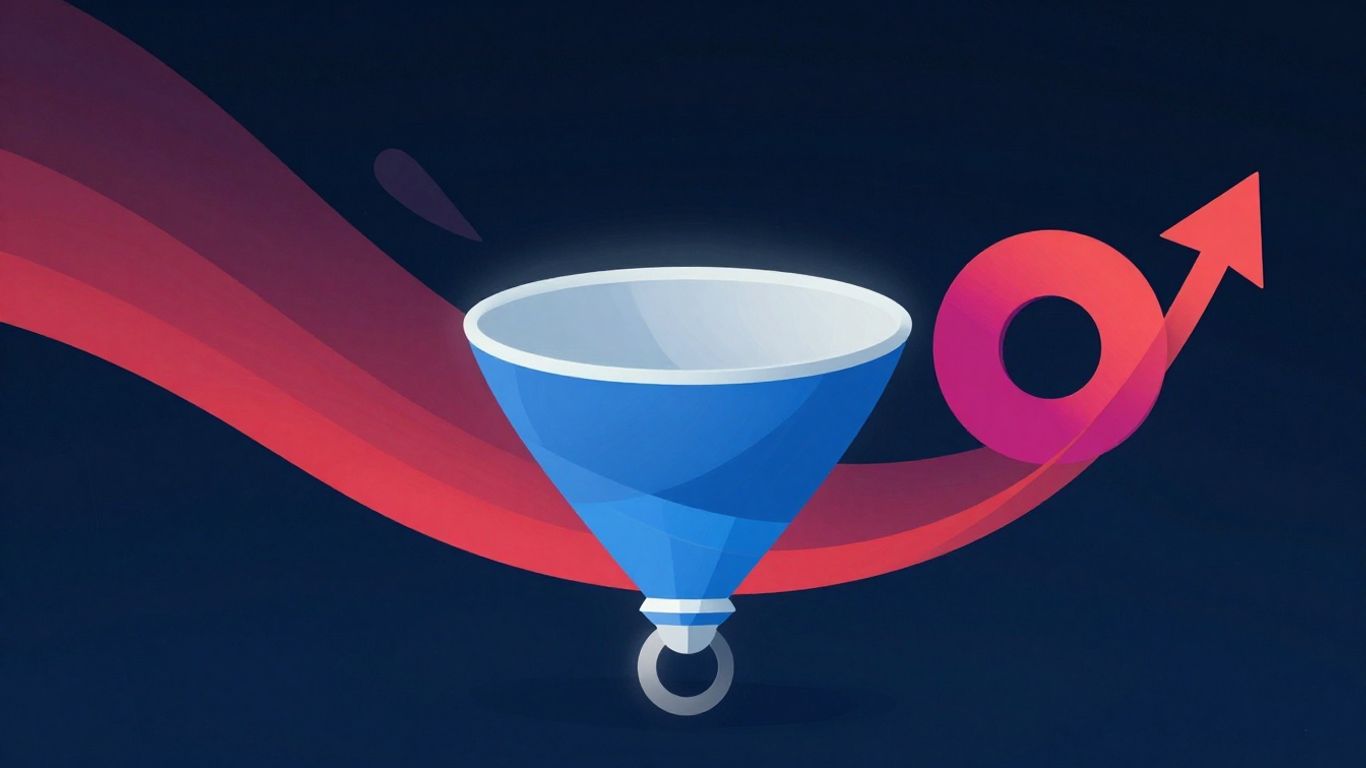
Alright, so you’ve got your marketing strategy, but how do you actually turn those eyeballs into paying customers? It’s all about the funnel. Think of it as a guided path, not just a random webpage. We’re talking about taking someone from “Who are you?” to “Here’s my money!” without them getting lost or bored. For 2026, we’ve got to think beyond just the sale, too. It’s a loop, really.
Awareness: Capturing Attention in a Crowded Market
This is the top, widest part of your funnel. People here don’t even know they have a problem your product can fix, or maybe they just have a vague feeling something’s up. They’re scrolling, they’re browsing, and your job is to stop them. It’s not about selling yet; it’s about getting noticed. Think catchy TikToks, helpful blog posts that answer random questions, or influencer shout-outs.
- Goal: Get noticed and make them curious.
- Tactics: Short videos, social media ads, blog content answering common questions.
- Metrics: How many people saw your stuff (impressions) and clicked on it (click-through rate).
Interest: Nurturing Leads and Building Desire
Okay, they’ve stopped scrolling. Now they know they have a problem or a need, and they’re starting to look for answers. This is where they might be checking out you and your competitors. You need to show them why you’re the best choice. This means giving them more info, building trust, and making them feel like you get them.
- Goal: Build trust and show you’re the go-to solution.
- Tactics: Offer free guides, run quizzes, share customer stories, send helpful emails.
- Metrics: How many people sign up for your email list (opt-in rate) and how long they stick around on your pages (time on page).
Decision: Guiding Prospects to the Right Solution
They’re interested, they’re comparing, and they’re almost ready to buy. But maybe they’re worried about the price, shipping times, or if it’ll actually work for them. Your job here is to remove those last-minute doubts. Make it easy for them to say yes.
You want to make the choice feel obvious and low-risk. Think about what would make you pull the trigger if you were on the fence.
- Goal: Overcome objections and make buying simple.
- Tactics: Comparison charts, free shipping offers, clear return policies, fast-loading pages.
- Metrics: How many people add items to their cart (add-to-cart rate).
Action: Driving Conversions and Closing the Deal
This is it – the moment of truth. They’ve decided to buy. But don’t stop here! This is where you can really boost your earnings. Think about what else they might need right now, or a slightly better version of what they just bought.
- Goal: Maximize the value of each sale.
- Tactics: Offer a related item right after purchase (upsell), suggest a bundle, or a small add-on (order bump).
- Metrics: Overall conversion rate and average order value (AOV).
And don’t forget about what happens after the sale. Keeping customers happy and coming back is way cheaper than finding new ones. That’s the real secret to a high-converting, long-term sales funnel for conversions.
Key Strategies for Optimizing Your Funnel in 2026
Alright, so you’ve got a basic idea of how a marketing funnel works, but how do you actually make it sing in 2026? It’s not just about having pages; it’s about building effective customer journeys that actually turn clicks into cash. The game has changed, and sticking to old marketing funnel strategies 2026 won’t cut it. We need to get smarter.
Leveraging AI and Automation for Personalization
Think about it: nobody likes getting spammed with generic offers. That’s where AI and automation come in. They let you treat each person like an individual, even when you’re dealing with thousands of them. This means tailoring messages, offers, and even the timing of your follow-ups based on what you know about them. It’s about making them feel understood, not just another number.
- Personalized Email Sequences: Instead of one-size-fits-all blasts, use automation to send emails based on a user’s actions (or inactions) within the funnel. Did they abandon a cart? Send a reminder with a small incentive. Did they download a guide? Follow up with related content.
- Dynamic Website Content: Show different headlines, product recommendations, or calls-to-action on your website depending on where the visitor came from or what they’ve shown interest in.
- AI-Powered Chatbots: These can answer common questions 24/7, guide users to the right products, and even qualify leads before a human sales rep gets involved. They reduce friction and speed up the process.
The goal here is to make the entire experience feel less like a transaction and more like a helpful conversation. When your marketing feels personal, people are more likely to trust you and move forward.
The Power of Video Content Across the Funnel
Video isn’t just for entertainment anymore; it’s a powerhouse for sales conversion optimization techniques. People are watching more video than ever, and it’s a fantastic way to explain complex products, build trust, and show personality.
- Awareness Stage: Short, engaging videos on social media can grab attention and introduce your brand or a common problem your product solves. Think TikTok trends or quick Instagram Reels.
- Interest Stage: Explainer videos, customer testimonials, or behind-the-scenes looks can build desire and answer initial questions. Showing real people using and loving your product works wonders.
- Decision Stage: Product demos, comparison videos, or Q&A sessions can help prospects make up their minds. Walk them through exactly how it works and why it’s the best choice.
- Action Stage: Post-purchase videos can guide customers on how to use their new product, offer support, or introduce them to related items.
Data-Driven Optimization: Tracking and Analyzing Performance
If you’re not tracking, you’re just guessing. In 2026, you need to be obsessed with data to increase lead generation with funnels. This means looking beyond simple page views and digging into what actually drives revenue.
- Key Metrics to Watch:
- Conversion Rate (at each stage)
- Cost Per Acquisition (CPA)
- Customer Lifetime Value (CLV)
- Average Order Value (AOV)
- Cart Abandonment Rate
- A/B Testing: Constantly test different headlines, images, calls-to-action, and even pricing strategies. Small changes can lead to big improvements.
- Funnel Mapping: Visualize the customer’s path. Where are people dropping off? Why? Understanding these drop-off points is key to fixing them.
The most successful marketing funnel strategies 2026 are built on a foundation of continuous testing and refinement. Don’t set it and forget it; make optimization a regular part of your process. It’s how you stay ahead.
Common Pitfalls to Avoid When Building Your Funnel
Building a sales funnel sounds straightforward, right? You get people in, guide them through, and they buy. Easy. But so many businesses trip up on the little things, or sometimes, the big things they just don’t see coming. It’s like trying to run a race with shoes tied together – you’re going to stumble.
One of the biggest mistakes I see is building a funnel that’s just… slow. Seriously, if your landing page takes longer than a few seconds to load, you’ve already lost a chunk of people. They’re not waiting around. They’ve got a million other tabs open, and yours just isn’t making the cut. Speed isn’t just a nice-to-have anymore; it’s a profit driver. People expect things to happen now.
Then there’s the whole “friction” thing. Asking for way too much information upfront is a killer. Do you really need their phone number, their company size, their favorite color, and their first pet’s name just to get them to download a guide? Probably not. Every extra field you add is another reason someone might just click away. Keep it simple, keep it short.
Another common issue is the lack of follow-up. Most people aren’t going to buy the first time they see your offer. Life happens. They get distracted. They forget. If you don’t have a system in place – like automated emails – to gently remind them and bring them back, you’re basically leaving money on the table. It’s not about being pushy; it’s about being present when they’re ready.
Don’t treat your funnel like a ‘set it and forget it’ kind of deal. The digital world moves fast, and what worked last month might not work today. You’ve got to keep an eye on it.
Here are a few more things that can really mess things up:
- Ignoring the actual offer: Sometimes people focus so much on the process that they forget the product or service needs to be genuinely appealing. Is it a good deal? Does it solve a real problem? If the offer itself isn’t strong, no amount of funnel optimization will save it.
- Mismatched messaging: What you promise in your ad or social post needs to be exactly what people find on your landing page. If you advertise a 50% discount and they land on a page showing full price, trust evaporates instantly. Keep your messaging consistent from the first click all the way through.
- Not tracking the right things: Chasing vanity metrics like page views or likes is a waste of time if it doesn’t translate into actual sales. Focus on metrics that matter, like conversion rates and revenue per visitor. If you don’t know what’s working, how can you fix what’s not?
Future-Proofing Your Funnel for Long-Term Success
Building a sales funnel that works today is great, but what about tomorrow? The digital world changes fast, and what’s hot now might be old news next year. To keep your funnel performing, you need to think ahead. This means staying flexible and always looking for ways to improve.
The biggest thing is to stop thinking of your funnel as a fixed thing. It’s more like a living system that needs constant care and tweaking. You can’t just set it and forget it. Think about how you can make it adapt to new technologies and, more importantly, to how people actually buy things.
Here are a few ideas to keep your funnel relevant:
- Keep an eye on customer behavior: Are people still interacting with your content the way they used to? Are there new platforms or social media trends popping up? Pay attention to where your audience is spending their time and adjust your approach accordingly.
- Build for speed and simplicity: This isn’t going away. Slow loading pages or complicated checkout processes will always lose customers. Make sure your tech stack is up-to-date and optimized for mobile.
- Don’t forget about existing customers: It’s way easier to sell more to someone who already trusts you than to find a brand new customer. Think about how you can keep them happy, offer them more, and get them to tell their friends.
The goal is to create a system that can handle changes without breaking. This means having good data tracking in place so you know what’s working and what’s not, and being willing to experiment with new ideas. It’s about building a resilient process, not just a single campaign.
Think about how you can use data to predict what might happen next. For example, if you see a trend in customer questions, can you create content or an offer to address that proactively? It’s about being one step ahead, not just reacting. This proactive approach is what separates a funnel that just works from one that truly thrives over time.
Wrapping It Up: Your Funnel Future
So, we’ve gone over a lot of stuff about making your sales funnel work better in 2026. It’s not just about having pages anymore; it’s about creating a whole system that turns people into buyers without a lot of hassle. Remember to focus on what people actually want and why they’re looking for it. Build your offers so they feel like a no-brainer, and for goodness sake, make sure your pages load fast, especially on phones. And don’t forget to keep talking to people after they buy – that’s where a lot of the real money is. It’s about building trust and making things easy. Get this right, and you’ll be in a great spot.
Frequently Asked Questions
What exactly is a sales funnel?
Think of a sales funnel like a path you create for customers. It starts when someone first hears about your business and guides them all the way to becoming a happy buyer. It’s like a special roadmap that helps people find what they need and makes it easy for them to buy.
Why are sales funnels so important these days?
In today’s busy world, people see tons of ads. A sales funnel helps you stand out by giving people exactly what they need at each step. It makes the buying process smoother and helps you connect better with potential customers, leading to more sales.
What are the main steps in a good sales funnel?
A typical funnel has a few key stages. First, you grab their attention (Awareness). Then, you get them interested and wanting your product (Interest). Next, you help them decide you’re the best choice (Decision). Finally, you make it easy for them to buy (Action). Keeping customers happy afterward is also super important!
How can I make my sales funnel work even better?
You can make your funnel awesome by using smart tools like AI to send personalized messages. Using videos can really grab attention. Also, always check your results with data to see what’s working and what’s not, and make changes.
What are common mistakes people make when building funnels?
A big mistake is making your pages load too slowly – people will leave before they even see your offer! Another is not writing in a friendly, human way. Also, forgetting to follow up with people who didn’t buy right away is a huge missed opportunity.
Is it really that important for my website to load fast?
Yes, it’s super important! Imagine clicking on something exciting, and then waiting forever for the page to load. Most people won’t wait. A fast website keeps people engaged and makes them more likely to buy.
What does ‘friction’ mean in a sales funnel?
Friction means anything that makes it difficult or annoying for a customer to move through the funnel. This could be asking for too much information, having confusing steps, or slow loading times. The goal is to remove as much friction as possible!
What’s the difference between a website and a sales funnel?
A website is like a big store where people can look around anywhere. A sales funnel is more like a guided tour with a specific destination – the purchase. It has fewer distractions and is designed to lead people directly to buying your product.